
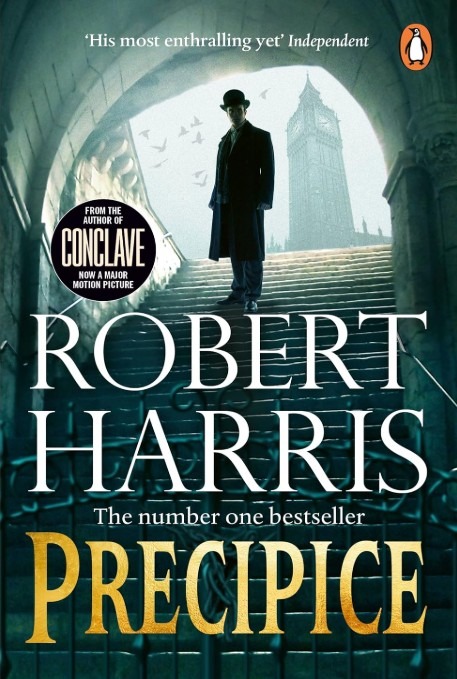
A novel both of Fact and Fiction, Politics, Romance and Scandal.
As in all Robert Harris novels before and since this is both a mixture of fascinating historical fact combined with his uncanny ability to blend in fictionalised details that feel entirely credible.
Harris sets this novel in the months leading up to the outbreak of WW1. The assassination of Archduke Ferdinand sets off a chain reaction of events across Europe. The British government is in crisis mode. There are, apparently twenty postal delivery and collections each day to the government departments and a considerable number of these are personal notes and letters sent between Herbert Asquith PM., 61 years old and Venetia Stanley 26, aristocrat and socialite. An epistolary romance perhaps although they still manage to snatch time together driving around London or meeting in the circles of people they are familiar with.
Asquith discusses quite freely with Venetia all the events going on in government and across the world, highly classified and secret information. Incomprehensible is his habit of crumpling up much of this written information and throwing it out of the car window which eventually came to attention of intelligence services. Enter the only other significant character in this novel the policeman Sergeant Paul Deemer is tasked with discreetly gathering information about Asquith and Venetia Stanley. Although Deemer is a fiction he plays an important role in allowing reader to see the affair in the round.
Asquith clearly loved and trusted Venetia, and she gave him opportunity to unburden himself of all the chaos of his office as PM. Not much is heard of Mrs Asquith, but she leads us to believe Venetia is just one of several young women that her husband has
taken an interest in. But what was the attraction for Venetia herself, I think Harris portrays her as a sympathetic character, bright, intelligent, attractive with plenty of admirers. “A man’s mind in a woman’s body” … not a phrase that would be considered complimentary these days, however we can understand the sentiment.
I imagine she was flattered by the attention of a powerful mature man, relishing the intellectual exercise he offered her, something she did not get from the rather vacuous ‘elite coterie’ that she was part of. A woman in the early 20th century was shackled by the conservatism, custom and restrictions common to all, especially those unmarried women. When Venetia takes up a nursing training towards the end of the novel and then plays an active part in the ensuing war, we have a greater admiration for her.
For my part while I found all the historical aspects concerned with this turbulent time in Europe fascinating. I learnt a lot I didn’t really know about before, however in the end I was bored by Asquith’s mooning about like a lovesick teenager. The group vote was 5. (1 being terrible rubbish, 10 being best book ever read) We haven’t had a 10 yet.
The reading group are all fans of Robert Harris novels but there was general agreement that this was not one of his best. Venetia’s letters had been destroyed but Harris has access to much of Asquith’s correspondence, nevertheless it was a credible
amalgamation of fact and fiction.
The group had a great general discussion following on from this book, topics covered politics and politicians today, the role of the press and the postal delivery service, ha ha!.
by Gabrielle Mauger
See next year’s book list here